
Petroglyph Beach Historic Park
A Glimpse of the Attraction
Perfect For...
Not the Best Fit For...
Top Highlights
- Ancient Indigenous Rock Art: Over 40 distinct petroglyphs pecked into intertidal slate by ancestral Tlingit artisans.
- Replica Rubbing Stations: Dedicated polyurethane castings mounted on the viewing deck for safe, non-destructive art rubbings.
- Stikine River Crossroads: Historically strategic vantage point situated right at the mouth of the transboundary Stikine trade route.
- Marine Wildlife Views: Prime coastal shoreline for spotting harbor seals, bald eagles, and marine traffic along Stikine Strait.

The Attraction
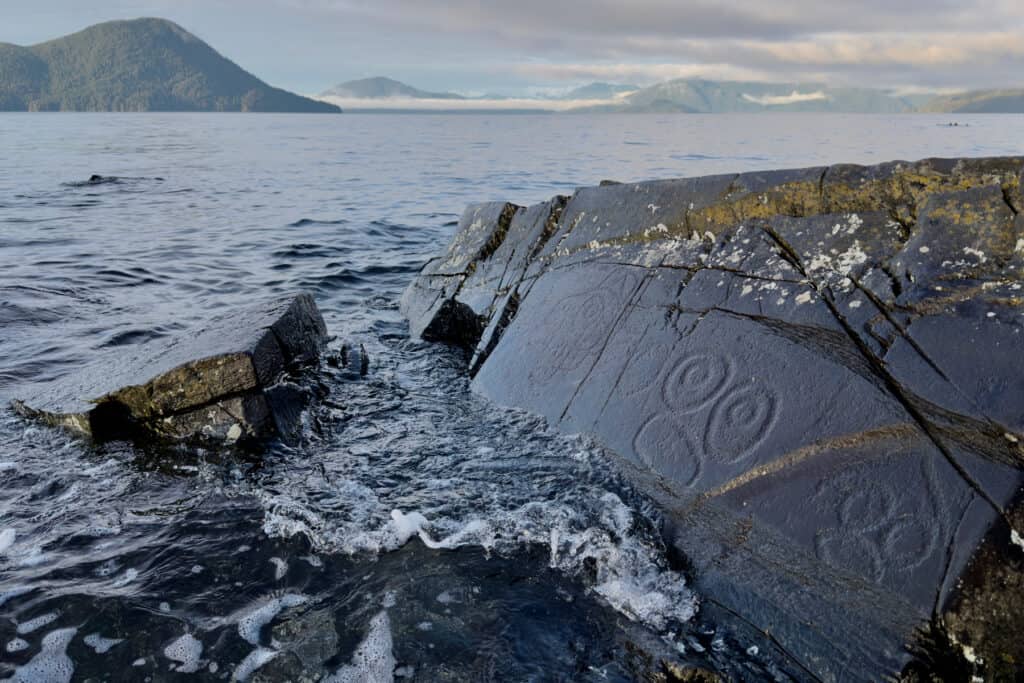
Petroglyph Beach State Historic Park contains the highest concentration of Indigenous rock art in Southeast Alaska, preserving over 40 distinct prehistoric petroglyphs concentrated along a rugged intertidal shelf. Created by ancestral Tlingit peoples and estimated to be between 1,000 and several thousand years old, these sacred carvings were pecked into resilient metamorphic slate and greenschist outcroppings using harder stone hammerstones and nephrite adzes.
The geographic positioning of Petroglyph Beach is central to understanding its historical significance. Situated just downstream from the mouth of the Stikine River—the major transboundary highway connecting coastal communities with the interior plateaus of British Columbia—this shoreline served as a natural gathering point, ceremonial site, and defensive lookout. The pecked images depict an intricate visual language of clan crests, local wildlife, and spiritual cosmology: stylized human faces, raven figures, swimming salmon, sea monsters (Gonakadet), killer whales, and geometric concentric rings.
Archaeologists and cultural historians suggest the carvings served diverse purposes, ranging from marking territorial boundaries and commemorating major trade alliances or potlatches, to functioning as spiritual petitions for abundant salmon and eulachon runs exiting the Stikine. The natural elements have weathered these petroglyphs for centuries, yet their striking details remain visible against the crashing surf.
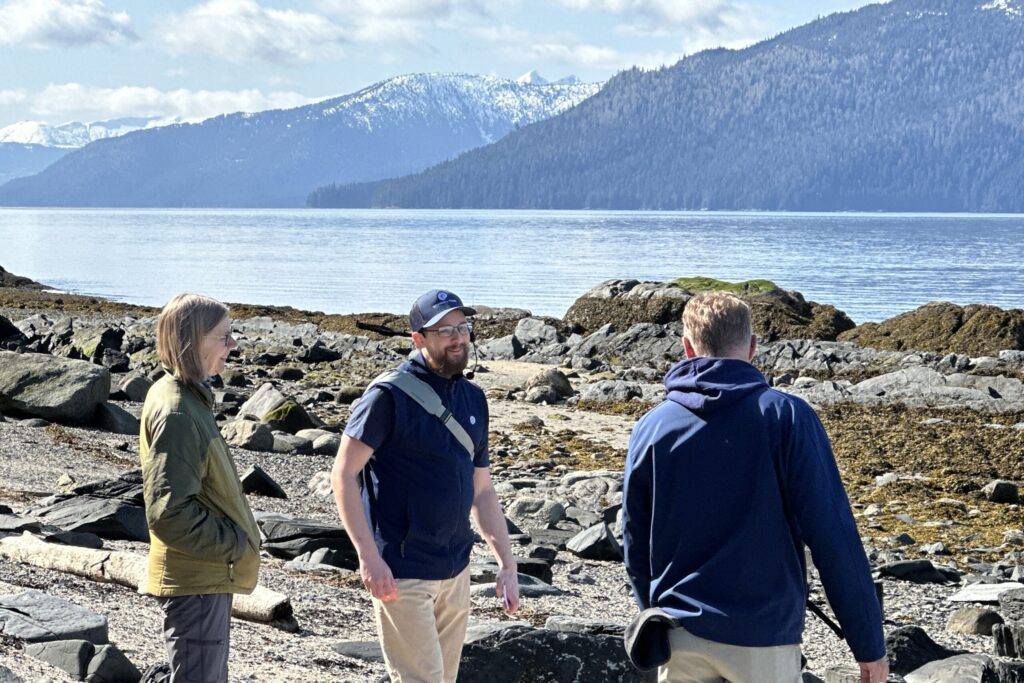
To protect this irreplaceable cultural treasure from mechanical wear and foot erosion, the park features an elevated timber observation platform equipped with high-fidelity polyurethane replica castings. Here, visitors can practice traditional non-destructive rubbings using rice paper, fern fronds, or charcoal sticks without touching or wearing down the original rock surfaces. From the beach edge, visitors also enjoy uninterrupted views across the Stikine Strait toward Zarembo Island, with frequent sightings of bald eagles roosting in the canopy and harbor seals patrolling the nearshore kelp beds.
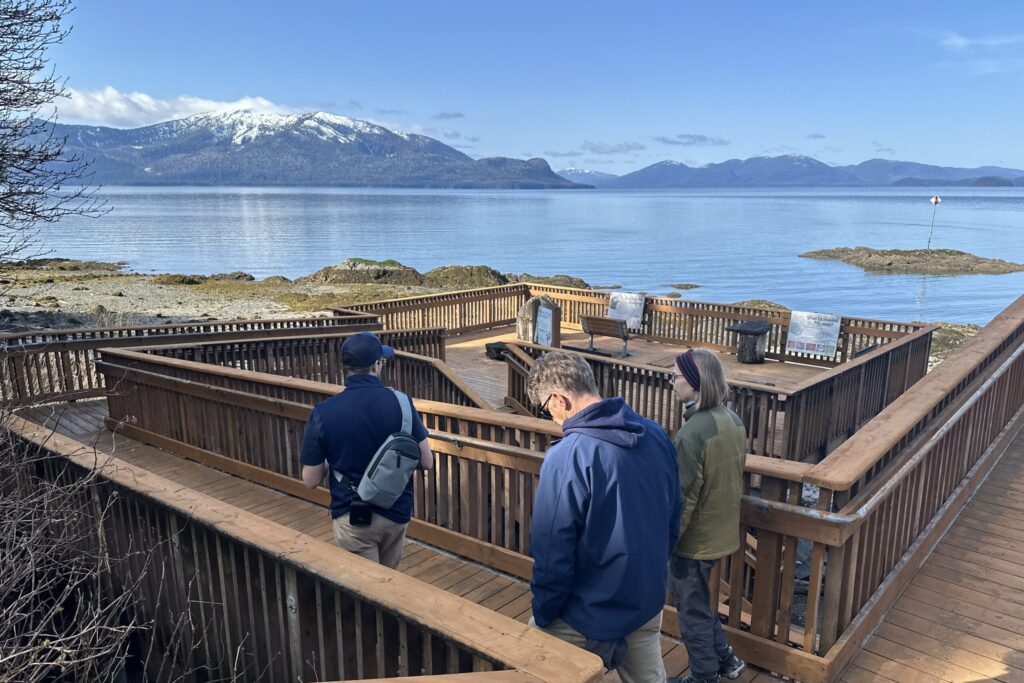


How Do I Get Here?
Follow Evergreen Avenue north from downtown Wrangell for 0.9 miles along a level paved road. The park features a dedicated paved parking lot with accessible stalls, bike racks, and an interpretive pavilion.
Logistics & Requirements
Local Insider Note
Jonas Crabtree
– Your Guide in Wrangell
Important Things to Know
Best Timing & Season
What to Bring
Fees & Permits
Accessibility & Difficulty
Frequently Asked Questions
When is the best time to see the petroglyphs?
You must visit around low tide (tides below +4 feet). At high tide, the rocks containing the original carvings are fully submerged by the ocean.
Can I make a rubbing directly on the beach rocks?
No. Making direct rubbings on the authentic petroglyphs damages the fragile stone and is strictly illegal. Replica castings are mounted on the deck specifically for making rubbings.
How far is Petroglyph Beach from the cruise ship dock?
It is 0.9 miles north along Evergreen Avenue, taking roughly 18 to 20 minutes to walk or 3 to 4 minutes by car or bike.
Experience Petroglyph Beach Historic Park
More Local Favorites You Might Like
Anan Wildlife Observatory
From Dock
There by
Chief Shakes Hot Springs
From Dock
There by
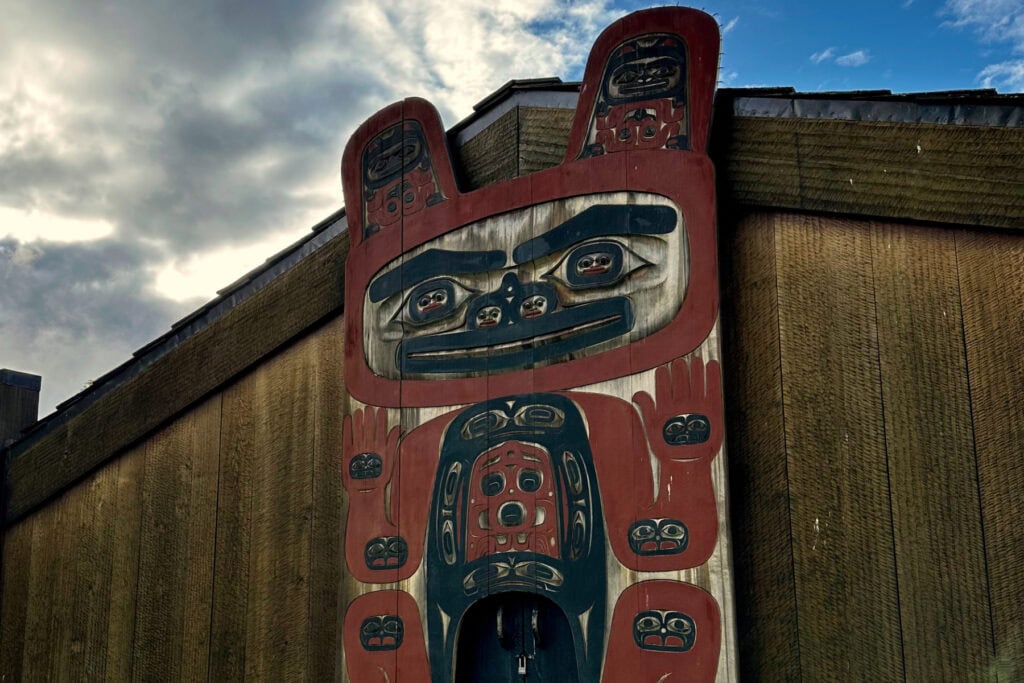
Chief Shakes Island
From Dock
There by
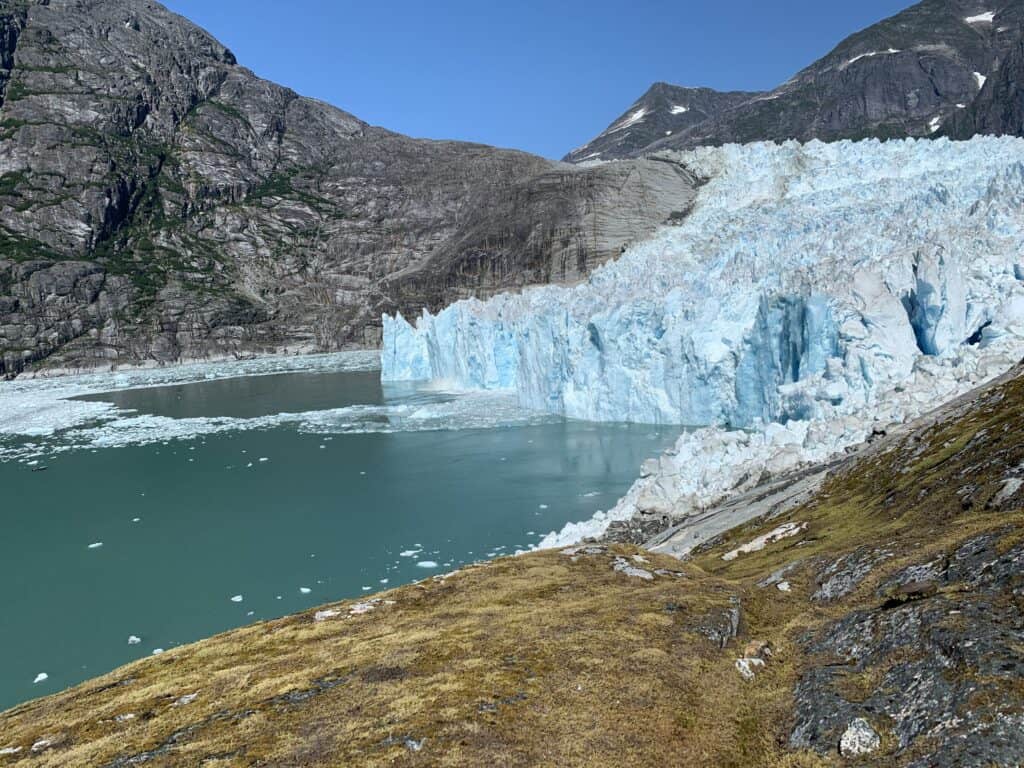
LeConte Glacier
From Dock
There by
Long Lake Trail
From Dock
There by
Mt. Dewey Trail
From Dock
There by
Muskeg Meadows Golf Course
From Dock
There by
Nemo Saltwater Access Trail
From Dock
There by
Petroglyph Beach Historic Park
From Dock
There by
Rainbow Falls Trail
From Dock
There by